




U50 Magazine’s latest edition celebrates the top performing honorable ministers appointed by president Bola Ahmed Tinubu in August 2023 marking their one year in office. These seven(7) performers are the youngest appointees in Tinubu’s government and they have achieved outstanding results in a short time; from fighting power cabals to transforming immigration service. We bring visionary leadership at Water resources to a new era for the Creative industry, beating an agelong curse on Nigeria’s steel industry and so much more renewed hope for millions of youths. The days ahead undoubtedly holds Renewed Hope, innovation, transformation and disruption.
- Chief Adebayo Adelabu, Honorable Minister of Power
Chief Adebayo Adelabu was appointed in August 2023 as the Minister of Power by president Bola Ahmed Tinubu. He is a former deputy governor, operations of the Central Bank of Nigeria before the call to service in the Federal Executive Council under leadership of president Bola Ahmed Tinubu. The Minister oversees several agencies under the Federal Ministry of Power which includes; Nigeria Electricity Regulatory Commission (NERC), Niger Delta Power Holding Company (NDPHC), Nigeria Bulk Electricity Trading Plc (NBET), Presidential Taskforce on Power, Transmission Company of Nigeria (TCN), National Power Training Institute, Electricity Management Services and Nigeria Power Finance. We provide you an overview of the achievements recorded in this agencies and departments over the past one year since the honorable minister came into office.
Minister of Power, Chief Adebayo Adekola Adelabu immediately after assuming office revived the erstwhile management tradition of team work and synergy among agencies and departments under the ministry. This necessitated the inauguration of the Ministerial Power Sector Working Group comprising the Transmission Company of Nigeria (TCN), Rural Electrification Agency (REA), National Power Training Institute (NAPTIN), Nigerian Electricity Management and Safety Agency(NEMSA), NELMCO, Nigeria Electricity Regulatory Commission(NERC) and the Nigeria Bulk Electricity Trading(NBET). This inauguration involved signing of performance bond by all the Chief Executive Officers to deliver on president Bola Ahmed Tinubu’s Renewed Hope agenda.
The working group would serve more like a backup for sector co-ordination and centralized project management such that it will foster the synergy and capacity optimization.
Addressing Nigerians within the first quarter of his assumption of office, The Minister of Power, Mr Adebayo Adelabu, had assured Nigerians that the Federal Government will empower them through ‘stable and accessible’ power. The minister who stressed that every home, industry, school, and business will benefit from the government’s efforts. To achieve the feat, Adelabu said the ministry will leverage the Nigerian Electricity Act of 2023 to boost the power supply in the country. According to him, the ministry will diligently provide optimal solutions for Nigeria’s power needs across the nation. He said that the task was not merely a requirement, but an expectation from both the President and the Nigerian populace who had endured years of power challenge.
In less than six (6) months since his appointment, the Honourable Minister of Power, Chief Adebayo Adelabu officially launched the 2024 Nigeria Residential Sector Energy Demand-Side Survey, a critical survey led by the Federal Ministry of Power, with support from the European Union and the International Energy Agency (IEA).
Over 5,000 households were surveyed across the 6 geo-political zones of the nation, aiding the Federal Government’s decision-making in the formulation and implementation of sustainable energy policies. As energy data remains a key factor in the implementation of energy programmes in Nigeria, the Federal Government was focused on exploiting the best technologies and survey models to collate the necessary data, especially in hard-to-reach locations across the nation.
INFRASTRUCTURE AND REGULATORY ACHIEVEMENTS
Pursuant to Section 34(1) (e) of the Electricity Act 2023 which states that “the Commission shall ensure the safety, security, reliability, and quality of service in the production and delivery of electricity to consumers”, the Nigerian Electricity Regulatory Commission (NERC or the Commission) continues to monitor the technical, operational, and commercial performance of the Nigerian Electricity Supply Industry (NESI).
There were twenty-seven (27) grid connected power plants in 2024/Q1 consisting of nineteen (19) gas, four (4) hydro, two (2) steam, and two (2) gas/steam-powered plants. The average available generation capacity across all the plants during the quarter was 4,249.10MW representing a -13.68% decrease (673.16MW) compared to the 4,922.26MW recorded in 2023/Q4 (Figure A). Seventeen (17) out of the twenty-seven (27) grid-connected plants recorded decreased available generation capacities in 2024/Q1 compared to 2023/Q4. In 2024/Q1, the average hourly generation of available units decreased by -8.22% (-364.25MWh/h) from 4,433.82MWh/h in 2023/Q4 to 4,069.57MWh/h. The total electricity generated in the quarter also decreased by -9.21%1 (901.94GWh) from 9,789.87GWh in 2023/Q4 to 8,887.93GWh (Figure B). The decrease in gross energy generation during the quarter was primarily due to the decrease in the available generation capacities of the grid-connected power plants compared to 2023/Q4.
COMMERCIAL SYSTEM MILESTONES:
The commercial performance of the 2024/Q1 report covers energy offtake performance, billing efficiency, collection efficiency, aggregate technical, commercial, and collection loss, as well as the market remittance of relevant market participants. The Commission monitors the financial performance of the NESI to ensure efficient and commensurate cash flow along the value chain for the sustainability of the industry.
Energy Offtake Performance: In 2024/Q1, the average energy offtake by DisCos at their trading points was 3,283.87MWh/h which was a decrease of -429.29MWh/h (-11.56%) compared to the 3,713.16MWh/h recorded in 2023/Q4. A total of ₦291.62 billion was collected by all DisCos in 2024/Q1 out of the ₦368.65 billion billed to customers.
Billing Efficiency: The total energy received by all DisCos in 2024/Q1 was 7,171.93GWh while the energy billed to end-use customers was 5,769.52GWh, translating into an overall billing efficiency of 80.45%. This represents an increase of +2.00 pp relative to the 78.45% recorded in 2023/Q4.
Collection Efficiency: The total revenue collected by all DisCos in 2024/Q1 was ₦291.62 billion out of ₦368.65 billion billed to customers. This translates to a collection efficiency of 79.11% which represents an increase of +5.32pp when compared to 2023/Q4 (73.79%).
Aggregate Technical, Commercial and Collection (ATC&C) Loss: ATC&C provides a consolidated report of how much revenue a DisCo can collect relative to how much it should have collected based on the volume of energy it received (and sold to customers). It is the indicator that evaluates the actual energy and revenue loss in electricity distribution systems.
The ATC&C loss in 2024/Q1 was 36.36% comprising – technical and commercial loss (19.55%) and collection loss (20.83%). The ATC&C loss improved by 5.75pp compared to 2023/Q4 (42.11%).
In 2024/Q1, Ikeja was the only DisCo that recorded a lower ATC&C (15.81%) than its target (18.73%). The inability of DisCos to achieve their respective ATC&C targets means that they are not able to recover the full revenues they require to provide returns to investors and in some instances – they may not even fully recover the cost of delivering electricity to the customers. Ultimately, both cases may lead to the erosion of their long-term financial sustainability.
Market remittance: In 2024/Q1, the cumulative upstream invoice payable by DisCos was ₦114.12 billion, consisting of ₦65.96 billion for DRO-adjusted generation costs from NBET2 and ₦48.16 billion for transmission and administrative services by the Market Operator (MO). Out of this amount, the DisCos collectively remitted a total sum of ₦110.62 billion (₦65.52 billion for NBET and ₦45.10 billion for MO) with an outstanding balance of ₦3.50 billion. This translates to a remittance performance of 96.93% in 2024/Q1 compared to the 69.88% recorded in 2023/Q4.
Remittance by Special and Bilateral Customers: In 2024/Q1, none of the four (4) international bilateral customers serviced by the MO made any payment against the $14.19 million invoice issued to them by the MO for services rendered in 2024/Q1. Similarly, none of the bilateral customers within the country made any payment against the cumulative invoice of ₦1,860.11 million issued to them by the MO for services rendered in 2024/Q13.
LICENCES AND PERMITS
The Commission issued thirty-two (32) licences, permits and certifications in 2024/Q1. They include: Thirty-two (32) licences, permits and certifications were issued in 2024/Q1. A total of 123,604 meters were installed in 2024/Q1.
- Nine (9) new off-grid generation licences with a total nameplate capacity of 109.69MW.
- Three (3) new electricity trading licences.
- Nine (9) captive generation permits with a total nameplate capacity of 52.57MW.
- Three (3) permits and two (2) registration certificates for minigrids.
- Six (6) certifications for Meter Service Providers.
ENERGY CONSUMERS ACCOMPLISHMENTS:
- Consumer Education and Enlightenment: In line with its commitment to ensure continuous customer education and enlightenment, the Commission continued to implement customer enlightenment programs within the quarter.
- Metering: A total of 123,604 meters were installed in 2024/Q1, representing an increase of 8,423 installations (+7.31%) compared to the 115,181 meters installed in 2023/Q4. The new installations increased the net end-user metering rate in the NESI by 0.40pp between 2023/Q4 (44.39%) and 2024/Q1 (44.79%). During the quarter, 114, 477 meters (92.62% of the total installations) were installed under the MAP framework while 14 meters were installed under the NMMP framework. The Vendor Financed framework accounted for 7,540 meter installations while 1,573 meter installations were recorded under the DisCo Financed framework.
2. Dr Bosun Tijani, Honorable Minister of Communications, Innovation and Digital Economy
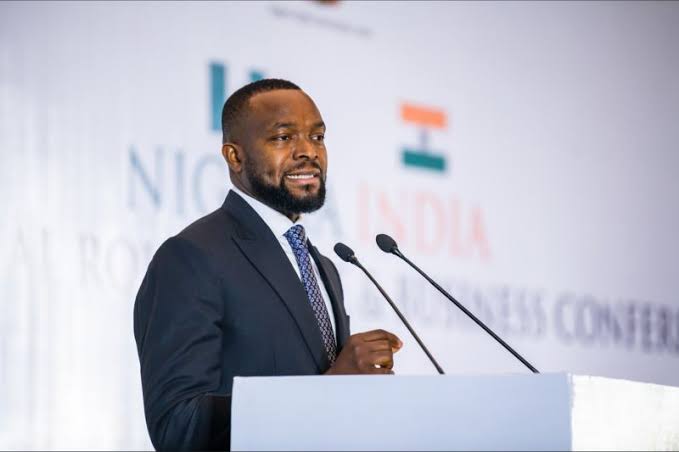
47 years old Dr Bosun Tijani was appointed in August 2023 by president Bola Ahmed Tinubu to lead Nigeria’s technological advance pivoted by the cusp of Renewed Hope by the huge young vibrant population to put the country on the global competitive arena for technology. As part of his commitment as the helmsman of the ministry, he expressed that Nigeria has the digital capacity and opportunities to compete favourably with other nations of the world. The Ministry supervises and coordinates Nigeria Communications Commission (NCC), National Information Technology Development Agency (NITDA), Galaxy Backbone Nigeria, Nigeria Communications Satellite Ltd, Nigeria Postal Service (NIPOST), Nigeria Data Protection Commission (NDTC) and Universal Service Provision Fund (USPF). Discover remarkable achievements recorded in the past one year since his assumption of office.
In Strategic Blueprint, Dr Bosun Tijani for 2023-2027, it detailed a progressive framework that encompasses five key pillars: Knowledge, Policy, Infrastructure, Innovation, Entrepreneurship & Capital (IEC) and Trade. Each pillar is integral to our mission and interconnected with others, forming the foundation of our strategy.
The 5 pillars, Bosun said “Knowledge is the cornerstone upon which innovation thrives, and is built upon the bedrock of sound policies. Infrastructure provides the essential backbone for a thriving digital economy, while innovation and entrepreneurship drive economic diversification. Trade, the fifth pillar, represents our commitment to global collaboration and partnerships, recognising that innovation knows no borders.”
The Strategic Blueprint provides a well-articulated roadmap which seeks to leverage on the power of knowledge to develop talents, invest in research and achieve 70% digital inclusion by 2027. Recognizing the fundamental role of policy in enabling innovation, entrepreneurship and inclusive growth, the Strategic Blueprint outlines areas where sound policies are required to strengthen broadband penetration, enable digital inclusion and contribution to the nation’s GDP. The strategic Blueprint also outlines the pathway for infrastructure development to increase participation in the digital space and promote economic growth and improved service delivery in the public sector.
3MTT INITIATIVE LEARNING COMMUNITY
The 3 million Technology Talent (3MTT) Initiative was launched by the minister in partnership with IHS Nigeria to establish the 3MTT Learning Community, a nationwide learning initiative to empower Nigerians with critical digital skills. This partnership will facilitate the setting up of learning communities in Nigeria’s 36 states and the FCT, and provide opportunities for the 3MTT participants to gather weekly, learn, collaborate and build projects. The establishment of these learning communities will also help facilitate the strengthening of local innovation ecosystems across Nigeria. Under this partnership, IHS Nigeria will provide financial support and industry expertise to the initiative and has committed to paying the salaries of the 37 dedicated learning community managers, as well as providing access to a learning platform that will support the 3MTT talent development efforts.
The Three Million Technical Talent (3MTT) programme was one of our earliest initiatives and we have seen significant success in its launch and subsequent application by over 1.6 million talented Nigerians across different demographics in just a month. The programme was co -created with stakeholders from within our Ministry as well as external partners with expertise in training and funding”.
The Nigerian Government announced the initiation of learning activities for the 270,000 fellows selected for the second cohort of the 3 Million Technical Talent (3MTT) programme. Although Cohort 2 of the programme commenced in March, the learning phase officially began in mid-May. Tijani, in announcing the commencement, expressed gratitude to all fellows for their patience and assured them of an enriching learning journey. He also hinted at upcoming opportunities for engagement in the learning community for the 3rd and 4th cohorts.
Highlighting the progress of the first cohort, the minister disclosed that many fellows had secured internship placements across the country. These fellows, he said are now set to participate in hackathons within their respective states to apply their acquired knowledge, collaborate with peers, and develop innovative solutions.
The 3MTT programme is a vital component of the Renewed Hope agenda, aimed at nurturing Nigeria’s technical talent pool to drive the digital economy and position the nation as a leading exporter of talent. Commencing with 30,000 Nigerians in the first phase, representing 1% of the 3 million target, the selection of 270,000 individuals for the second cohort brings the total to 10%.
To achieve the programme’s objectives, the Minister outlined a phased execution plan developed collaboratively with key stakeholders from government agencies, training providers, educational institutions, development agencies, and the private sector. The training encompasses various skills leveraging technology to enhance diverse roles, including digital marketing, project management software, cloud platform navigation, data analysis and visualisation, search engine optimisation (SEO), CRM management, accounting software, graphic design, and UX/UI design, among others.
NIGERIA ARTIFICIAL INTELLIGENCE RESEARCH SCHEME/STRATEGY
The Federal Government through Dr Bosun Tijani led Ministry of Communications, Innovation and Digital Economy introduced an Artificial Intelligence (AI) Research Scheme aimed at providing financial support to startups and researchers with a focus on AI. Under this initiative, a total of 45 deserving startups and researchers were to each receive N5 million in grants.
Bosun Tijani, the Minister of Communications, Innovation, and Digital Economy, unveiled the opening of applications for this groundbreaking scheme on Friday. The primary objective of this initiative is to promote the widespread use of Artificial Intelligence for the betterment of the national economy. The N5 million grant is intended to facilitate the progress of startups and researchers, ultimately benefiting the economy.
Announcing the scheme’s launch and the commencement of application submissions through a post on a designated platform, the Minister said, “We’ve launched the Nigeria Artificial Intelligence Research Scheme to fund 45 consortia of startups and researchers to allow them to explore further opportunities to deepen their work and build a sustainable AI ecosystem in Nigeria. We are inviting researchers and startups working in AI to apply for up to N5 million at this link [provide link], as we build a strong foundation for our ministry’s efforts to drive innovation, increase productivity in critical sectors, and position Nigeria as a global center for AI technology application.” The first batch of successful applicants, numbering 45 recipients received the sum of five million naira (N5, 000,000) as start up fund.
Also, in line with its objective the ministry has identified a robust National AI Strategy for Nigeria to responsibly steer the AI revolution towards achieving national goals around job creation, social inclusion, and sustainable development becomes imperative. With collaborative leadership, Nigeria seeks to pioneer ethical and inclusive AI innovation that improves welfare and expands opportunities for all its citizens.
ACHIEVEMENTS IN TELECOMMUNICATIONS
Acknowledging the criticality of resilient telecommunications infrastructure to a robust digital economy, Dr. Tijani’s Strategic Agenda 2023 — 2027 sets targets to achieve a 50 per cent improvement in Quality of Service (QoS) by the end of 2024; to boost Nigeria’s broadband penetration rate to 70 per cent by the end of 2025; to deliver data download speed of 25Mbps in urban areas and 10Mbps in rural areas by the end of 2025; to provide coverage for, at least, 80 per cent of the country’s population, especially the underserved and unserved populations by the end of 2026; to reduce the gap of unconnected Nigerians in rural areas from 61 per cent to less than 20 per cent by 2027; and to secure between 300 per cent to 500 per cent increase in broadband investment by the end of 2027. the Honourable Minister of Communications, Innovation and Digital Economy, Dr. Bosun Tijanni, the Executive Vice Chairman and Chief Executive of the Nigerian Communications Commission (NCC), Dr. Aminu Maida, signed a Memorandum of Understanding (MoU) with Nokia Solutions and Networks Nigeria, to train young Nigerians on latest 4G/ 5G radio and transmission technologies at the Nigerian Communications Commission’s Digital Parks.
Nokia Nigeria would be setting up a fully functional 5G/4G test lab, leveraging their latest radio and transmission technologies. This collaboration advances the vision to enhance the capacity and skills-set of Nigerians, by equipping them with contemporary skills and knowledge needed to adapt to the rapidly evolving telecommunications industry. In tune with the Ministry of Communications, Innovation and Digital Economy’s goal to drive digital literacy and build a pipeline of technical talents across Nigeria, Nokia Nigeria would also set up an Entrepreneur Learning Programme where it would deliver high-quality vocational trainings to 200 Nigerian students chosen from across the six geo political zones of Nigeria.
A new report of the International Telecommunication Union (ITU), has ranked Nigeria very high at 71 per cent, in comparative legal, policy and governance frameworks towards G5 – advanced state of readiness for digital transformation known as G5 with Germany, Finland and Singapore leading the global chart. In the report conducted by the ITU, the United Kingdom’s Foreign, Commonwealth & Development Office (FCDO) and the Nigerian Communications Commission (NCC), and unveiled by Nigeria’s Minister of Communications, Innovation and Digital Economy, Dr. Bosun Tijani in Abuja on Monday, Nigeria was ranked among Africa’s top seven BEMECS 5G Readiness Index, which represents the country’s readiness to deploy and adopt mass-market 5G networks.
E-GOVERNANCE FOOTPRINTS:
Leveraging on technology advances; the Ministry has initiated projects to ensure that citizens and businesses have easy access to government services. These initiatives are prioritized to drive the adoption of e-government across the MDAs, which will turn improve service delivery, drive transparency, accountability and good governance. These initiatives as National E-Government Master Plan, Government Service Portal (GSP), Government Contact Centre (GCC), Open Data Portal, Electronic Document Management System (EDMS), The E-Government Capacity Building Program, and The National E-Health Strategic Framework. The following initiatives are being implemented by the E-Government department:
- National E-Government Master Plan: This is a roadmap for the adoption of e-Government best practices, by all Federal Government Ministries, Departments and Agencies (MDAs) developed in collaboration with the Government of Korea.
- Government Service Portal (GSP): This is is a platform (services.gov.ng) which aims to provide citizens, businesses and foreigners with easy access to various government services through a one-stop government portal.
- Government Contact Centre (GCC): This is a platform that allows citizens (irrespective of their location, literacy level or language) to get access to government services/information through calls.
- Open Data Portal: This is An online platform (data.gov.ng) where non-sensitive data sets from government MDAs are routinely made available to the public.
- Electronic Document Management System (EDMS): The government is not relenting in efforts to deepen application of ICT in all public endeavors, hence the initiative to move all its documents online (digitization.
- The E-Government Capacity Building Program: This is a is aimed at establishing the foundation for the sustainable development and applications of E-governance across all sectors. More than 2000 public servants have been trained, at federal and regional levels, with focus on institutional transformation and human resources development in this continuous service wide training program.
- The National E-Health Strategic Framework: This is was developed in conjunction with the Federal Ministry of Health as ICT has been identified as a key enabler to achieve the desired improvements in the country’s health care delivery. It enhances the quality of care, reduces operating and administrative cost, facilitate faster access to health information, increases communication through the internet and increase productivity of health personnel.
The Minister of Communications, Innovation, and Digital Economy, Dr. Bosun Tijani has said that the government is already receiving investors’ interest in its proposed $2 billion fund for laying fibre infrastructure across the country. The Minister disclosed this on the sidelines of the ongoing World Economic Forum in Davos, Switzerland. Emphasizing the importance of the project, Tijani said it would be one of his biggest achievements as a Minister when completed. Recall that the Minister in December last year had declared that the country would require an estimated $2 billion investment to lay fiber optic cables across the country.
Barr Hannatu Musawa, Honorable Minister of Arts, Culture and Creative Economy

Barr Hannatu Musa Musawa is a lawyer, politician, and author, the pioneer Honorable Minister of the trio Ministry of Art, Culture and Creative Economy in Nigeria appointed by president Bola Ahmed Tinubu in August 2023. The Kastina born politician upon her assumption of office as minister expressed a firm belief that the new Ministry would plough revenue into the coffers of the Federal Government. She said the 250 diverse cultures of Nigerians would be brought on stream and patronised by the Ministry to nurture unity bequeathed by the founding fathers which has been lost. According to her it is the commitment to diversify from oil through the creative industry. Job creation is key and we want to create and contribute two million jobs by 2027. We want to increase the GDP of Nigeria by $100 billion by 2030.
In the last one year her assumption of office she set herself to transform the ministry in line with the Renewed Hope government of President Bola Tinubu.. Her visionary leadership encompasses various forms of artistic expression such as music, film, fashion, visual arts, and literature with the potential to contribute significantly to Nigeria’s economy and commitment to a deep dive into every creative sub-sector, from the finest works of excellence to the realms of music and gaming. Also, developing a robust economic plan aimed at creating millions of jobs, supported by comprehensive skills training programmes with the objective of contributing up to 10% to the nation’s GDP and expanding sectorial GDP to a remarkable $100 billion by 2030. The minister’s vision of creating 10% of the country’s gross domestic product by expanding the creative sector’s GDP to $100 billion by 2030 is a big deal and should be commended by art enthusiasts, patriots and believers of a great Nigeria.
ESTABLISHMENT OF NATIONAL ASSETS:
Barr Hannatu Musawa initiated the establishment of a National Museum and a National Theatre in a Creative City to be located in the federal Capital Territory (FCT). The Minister emphasized that the establishments of the two edifices were top on the list of projects of the Ministry which was intended to create employment, not only for creatives but also for Nigerians in general. It had been a great concern to many Nigerians about the lack of a national museum in the nation’s capital where some of the world’s most powerful individuals often visit. These national monument been sited in the Federal Capital Territory will serve as an enormous attraction for both citizens and foreigners to discover the riches in our diversity as people. Yet to achieve of this it is subject to approval of 2024 Appropriation Budget by the Senate. The Minister also noted that the Ministry has been grossly underfunded and appealed to the Senate Committee to upscale its allocation in the 2024 budget.
HUMAN CAPACITY BUILDING FOR NATIONAL GROWTH:
Under Musawa’s stern watch, the FMACCE, as of first quarter of 2024, recorded a total of 1,005 individuals trained in professional development programmes in the creative sub-sectors. It has also recorded a total of 103 trainees trained in cultural and creative academies established in partnership with higher institutions. These remarkable positives come under capacity building/training of individuals across the creative sector.
LEADING CREATIVITY PARTNERSHIPS FOR ECONOMIC GROWTH:
On the crucial partnerships and collaboration front, it has commenced mapping potential domestic and international partnerships and collaborations across all sub-sectors. It has signed MOUs for partnership with the Recording Academy (Grammy’s); the International Council on Monuments and Sites in collaboration with the National Commission for Museums and Monuments, Ahmadu Bello University Zaria, and the American University of Nigeria Yola.
ADVOCATING FOR INCREASED INVESTMENT IN CREATIVE INDUSTRY:
The Minister of Art, Culture and the Creative Economy Hannatu Musawa launched $617 Million IDICE Fund in collaboration with the African Development Bank targeted at enhancing huge potential of the Creative Economy to generate employment opportunities for millions of young Nigerians. The IDICE fund emerges as a landmark transaction, providing a strategic platform for directing additional long-term financing into this dynamic sector and providing start-up funds to young creative, facilitating the development and monetisation of their talents.
The Minister commended AfDB and other parties to the transaction for the remarkable achievement, now being emulated by other African nations. She applauded the impact investment focus which includes elements such as geographical spread, first loss position of the FGN and grants for capacity development, stressing that FMACCE will reflect this spirit in its nationwide awareness campaign on the initiative.
Minister Musawa highlighted that the IDICE structure offers a platform through which the fundraising initiatives of her Ministry can be secured and assured that this opportunity will be thoroughly explored.
“Nigeria, having solidified its position as a global hub for music, film, and visual art, is strategically positioning itself to leverage the IDICE funds. This move aims to consolidate its global standing and propel further expansion within the creative industry, in subsectors such as Design, Gaming, Content Creation, Animation, Culinary Arts, and Publishing”.
The AfDB has appointed the Bank of Industry as the executing agency to manage program implementation, reporting directly to the steering committee. The initiative is set to forge strategic partnerships with selected Universities and Polytechnics, major technology companies and key players in the private sector.
In a significant milestone for the Nigerian creative landscape, the Minister of Art, Culture, and Creative Economy, Hannatu Musawa, had cemented the groundbreaking partnership with the African Development Bank (AfDB) which launched the $617 million Investment in Digital and Creative Enterprises (IDICE) fund. This transformative fund was poised to unleash unparalleled growth, with the potential to catalyze over $1 billion of growth in the creative economy upon full deployment.
LEADING PRESERVATION OF NATIONAL TREASURES:
The Minister of Art, Culture, and the Creative Economy Hannatu Musa Musawa has sought the support of Nobel Laureate, Prof Wole Soyinka, in providing strategies for the promotion and preservation of literary art in the country to tap into the wealth of experience of the literary icon in promoting the rich cultural heritage of the nation. Nigeria has a huge culture content including music, films, fashion and literary arts of which our priorities include the preservation of literary works. This, we intend carrying out by formulating policies that will ward off piracy and plagiarism. Nigeria boasts of great writers like Professor Wole Soyinka, the late Prof. Chinua Achebe, Chimamanda Adichie, Prof Okey Ndibe and many others. We will be happy to see Prof Soyinka lead the way on these strategies. We look unto your antecedents for Initiatives to encourage the younger generation to embrace and celebrate their cultural identity”.
Minister Hannatu Musawa championed the initiatives to encourage the younger generation to embrace and celebrate their cultural identity, Artistic and Creative Development, opportunities for collaboration and innovation in the creative economy, Cultural Diplomacy and utilizing arts and culture as a tool for international diplomacy and promoting the nation’s cultural diversity on the global stage.
Professor Joseph Utsev, Honorable Minister of Water Resources & Sanitation
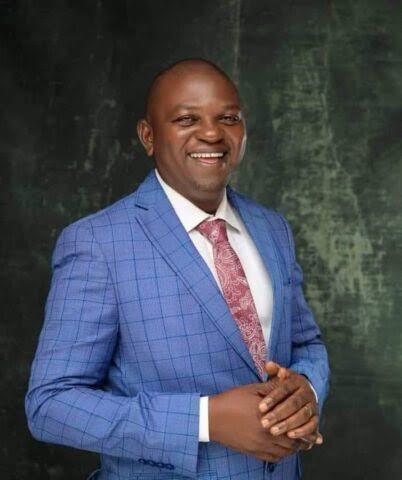
Prof Joseph Utsev is one Nigeria’s youngest ministers and first professors appointed by president Bola Ahmed Tinubu to head the restructured Federal Ministry of Water Resources and Sanitation. His stellar performance as the commissioner of water resources in Benue state and astute engineer earned him a place in the Federal Executive Council to steer Tinubu’s Renewed Hope agenda. Professor Utsev, who had in the last year and six months driven the ministry towards the path of achieving its core mandate to develop and implement policies, projects, and programs that will enable sustainable access to safe and sufficient water to meet the social, cultural, environmental, and economic development needs of all Nigerians.
With the tenacity of purpose coupled with the ardent conviction that there was an urgent need for a total overhaul in the ministry, Professor Utsev quickly embarked on a tour of the eleven river basins across the country. This move was a deliberate attempt to generate first-hand information about the activities/operations of these agencies. His aggressive reform agenda in the eleven river basins, Professor Utsev reactivated and initiated new programs to address issues bothering the growing demand for water and the attendant challenges.
UNCOMMON VISIONARY LEADERSHIP:
Curiously, despite considerable investment by the federal government over the years, a large population of Nigerians still does not have access to water in adequate quantity and quality, this is the major worry of Professor Utsev, who has vowed to change the narratives.
Interestingly, other sectors of the ministry, which were before now not properly funded, have received the attention of the minister through presidential interventions. For instance, irrigation schemes and bulk water supply have since been prioritized, just as the hydrological data collection and storage for national planning is upgraded with modern digital equipment.
Convinced that the winning streak depends on rugged commitments to better the lots of Nigeria, Professor Utsev initiated the construction of 6,761 water schemes across the country to meet the water demand of the growing Nigerian population. Also, several programs and projects aimed at tackling water sanitation and hygiene across the country have been rolled out since he assumed duty in January last year.
PEOPLE FOCUSED SOLUTIONS FOR NATIONAL ECONOMY:
The importance Professor Utsev attached to sanitation further reinforced his unequivocal stance on cleaning up the debris of the past years as he proceeded to construct Ten thousand five hundred sixty-eight sanitation facilities in institutions and public places in 127 local government Areas across the country. Today, 15 local government areas have been added to the 115 Open defecation-free ODF local government areas across Nigeria, a rare feat no minister had ever achieved within such a short period.
Professor Utsev’s vision for a water-secure Nigeria is rooted in his understanding of the complex interplay between water, sanitation, and hygiene. He recognizes that access to clean water is not only a basic human right but also a critical factor in economic development, food security, and public health.
To address the country’s water challenges, Professor Utsev has launched a series of innovative initiatives, including providing clean water to rural communities through decentralized water treatment systems. Another initiative is the ‘Clean Nigeria, Use a Toilet’ campaign, which seeks to end open defecation in Nigeria by constructing modern toilet facilities and promoting good hygiene practices.
A NEW WATER BASIN FOR ALL NIGERIANS:
Since assuming office, the Minister has improved the 12 Lower Benue River Basin Development Authorities (RBDAs) through exceptional leadership. He introduced creative ways to revive ailing irrigation schemes, including partial commercialization to make the RBDAs self-sustaining. A monitoring and evaluation framework was established to track progress and identify areas for improvement.
Professor Utsev’s efforts have boosted the economy by increasing food production, creating jobs, and enhancing sanitation. The RBDAs have become models for sustainable development, promoting environmental sustainability, job creation, and economic growth in line with the President’s Renewed Hope Agenda.
Professor Utsev’s most outstanding achievement yet has been his remarkable aptitude for augmenting and expanding existing initiatives, tailoring and refining them to harmonize with the pragmatic nuances of the situation. He has expertly recalibrated, adopted, or adapted policies to align with his visionary objectives for the water sector, demonstrating mastery of strategic adaptation and leadership.
Under his leadership, the Ministry of Water Resources has made significant progress in water infrastructure development, irrigation projects, and water supply expansion, enhancing the nation’s water security. His commitment to a water-secure Nigeria has led to the implementation of innovative technologies and sustainable practices, ensuring equal access to clean water and sanitation for all citizens.
Professor Utsev’s appointment as Minister of Water Resources and Sanitation marks a homecoming, with an expanded purview that affords him the opportunity to leverage his intellectual approach to governance, cultivating synergy and inclusivity among diverse stakeholders. Through his commitment to transparency and accountability, he has earned the esteem and trust of the Nigerian populace, inspiring confidence in the ministry’s programs and initiatives.
A cornerstone of this plan is the Federal Ministry of Water Resources and Sanitation, which has been tasked with several critical initiatives. One of the immediate priorities is ensuring that both food and water availability and affordability are considered national security issues. This integrated approach mandates collaboration between the Federal Ministry of Agriculture and the Federal Ministry of Water Resources and Sanitation to promote year-round agricultural productivity through effective irrigation.
The government says it recognises the need for a secure environment where farmers can work without fear of attacks. By engaging the nation’s security architecture, the government says that efforts are underway to protect farmlands and ensure the safety of those who cultivate them; thus encouraging farmers to return to their fields. It may be recalled that the twelve River Basin Development Authorities (RBDAs) are pivotal in supporting continuous farming. By implementing irrigation schemes, these bodies are enabling the cultivation of crops even during the dry season, thereby mitigating seasonal fluctuations in food supply.
For instance, the Graduate and Youth Empowerment programme in these river basins has supported young people in acquiring improved farming skills using water resources from dams and irrigation facilities. A beneficiary at the Benin-Owena River Basin scheme, Michael Salami, said he had been trained in beekeeping techniques and had found more opportunities to expand his business and become self-employed by exporting honey. Other beneficiaries were trained in aquaculture, palm oil production, and rice farming, among other areas.
WORLD CLASS INNOVATIVE APPROACH:
To align with the Renewed Hope Agenda and the Declaration of State of Emergency on Food Security, the ministry has unveiled several flagship projects. These include the water for Expanded Irrigated Agriculture Programme (WEIRPRO), the Partnership for Expanded Irrigation Programme (PEIRPRO) and the River Basin Strategy for Poverty Alleviation (RB-SPA). These initiatives aim to revolutionize irrigated agriculture, boost food security, alleviate poverty, create jobs, and spur economic growth.
The ministry says it is committed to adopting innovative water resource management practices. This involves partnering with state and local governments, as well as communities, to enhance agricultural productivity. According to the ministry, by transitioning from traditional methods to scientific approaches, the goal is to achieve year-round farming, frequent cropping cycles and higher crop yields.
While new initiatives are critical, the ministry also prioritises completing existing projects. Given the significant capital investments already made, it is essential to ensure that these projects deliver value for money and contribute to the socio-economic wellbeing of the citizenry once operational. It may be recalled that the theme of the 30th Meeting of the National Council on Water Resources and Sanitation, “People, Planet and Prosperity: Promoting Water Governance for National Food Security,” reflects the administration’s comprehensive plan.
In his submission, the Minister of Water Resources and Sanitation, Prof. Joseph Utsev, said efforts to enhance the food security agenda included the construction and rehabilitation of dams and associated infrastructure. The minister said the agenda supported water supply, sanitation, irrigation, and hydropower generation; thereby contributing to the nation’s socio-economic development. According to him, it includes designing buffer dams and conducting feasibility studies for flood detention dams to manage excess water from major rivers. He said effective collaboration among federal, state, and local governments is essential to maximise the benefits of existing water infrastructure.
It is worthy to note that irrigated agriculture is key to Nigeria’s economic vibrancy, with completed irrigation schemes, handed over to farmers through the World Bank-sponsored Transforming Irrigation Management in Nigeria (TRIMING) project. The project has significantly boosted agricultural productivity in regions like Jigawa and Kano states, while sustainability strategies and planning to expand 500,000 hectares of irrigable land by 2030 have been developed under the leadership of the minister, Prof Joseph Utsev.
Hon Olubunmi Tunji-Ojo, Honorable Minister of Interior
 The former honorable member of the green chamber of the National Assembly representing Akoko North East/Akoko North West Federal Constituency in Ondo State, Hon Olubunmi Tunji Ojo is one of the youngest ministers appointed by president Bola Ahmed Tinubu and distinctively shown preparedness for the job he was appointed to. The U50 leader, politician, technocrat and strategist assumed office with the commitment to uproot corruption from the agencies under the ministry, mainly Nigeria Immigration Service, Nigeria Correctional Service, Nigeria Security and Civil Defense Corps and others. His dogged disposition to achieve the seemingly impossible objectives did not only stand as a test to his competence but also the Renewed Hope Agenda.
BOLD REFORMS AND INNOVATION IN NIGERIA IMMIGRATION SERVICE:
One of his hallmark triumphs was the commendable feat at the Nigeria Immigration Service (NIS), where he orchestrated the clearance of an overwhelming backlog of 204,332 passports within a record-breaking three-week period, rescuing the nation from the grips of a dire national crisis. In addition, his set goals for the ministry had heralded a new era of efficiency and service delivery, revolutionized passport processing with a two-week timeline and the introduction of home and office delivery of passports, which commenced in February 2024. His initiative to implement personal uploads of passport photographs further streamlines the application process, fostering convenience and accessibility. The minister’s proactive stance on international relations demonstrated his commitment to reciprocity in visa processes, challenging inequitable privileges granted to foreign nationals while championing the rights of Nigerian applicants.
This monumental accomplishment underscores his commitment to expeditious service delivery for Nigerian citizens. Innovative E-Platforms for Visa Processing: Spearheading revolutionary reforms, Hon. Tunji-Ojo introduced user-friendly e-platforms for visa applications, allowing passport photo uploads via the immigration portal. This initiative promises increased accessibility and convenience for Nigerians seeking visas. The unveiling of enhanced e-passport facilities in key Nigerian Embassies across Europe stands as a testament to his commitment to improving service capabilities for Nigerian citizens abroad, particularly in Spain, Greece, Austria, Switzerland, and Italy.
REDEFINING NIGERIA’S INTERNAL SECURITY
Under the Honorable Minister, The Nigeria Security and Civil Defense Corps (NSCDC) has been setting a new standard for security agencies through significant strides in combating economic sabotage and protecting the nation’s economic interests. NSCDC has risen from relative obscurity to a position of prominence and respect among security agencies through the transformative leadership of the minister and the leadership of the agency. The corps’ impressive track record in tackling oil sector criminals and safeguarding critical infrastructure is a testament to the administration’s unwavering dedication and commitment to excellence.
The NSCDC has undergone significant transformation and growth under the present leadership including:
- Establishment of the Civil Defence Academy in Jos, Plateau State, enhancing personnel training and capacity building.
- Creation of the NSCDC Arms Squad Training School in Nassarawa State, boosting arms handling and combat skills.
- Formation of the NSCDC Female Squad to tackle kidnapping, school restiveness, and gender-based security concerns nationwide.
- Launch of the NSCDC Special Mines Marshal to combat illegal mining and safeguard the country’s mining sector.
- Introduction of career progression courses, promoting personnel development and growth.
- Enhancement of welfare packages, boosting morale and motivation.
- Massive acquisition of arms for operational use, strengthening the Corps’ crime-fighting capacity.
- Procurement of mini fire fighting tankers, enhancing disaster response and management capabilities.
These achievements have significantly impacted the corps’ operational efficiency, enhancing its capacity to tackle emerging security challenges in line with the Renewed Hope agenda.
PRIORITIZING STAFF WELFARE:
Advocacy for Equitable Salaries:
His advocacy for fair compensation for paramilitary officers and the proposal for a pension board for various security services highlight his dedication to ensuring better welfare and equity within the sector.
Criminal Justice Reform and Rehabilitation:
Collaborative efforts led to the release of 4,000 inmates from correctional centers, showcasing his commitment to rehabilitation and social justice through strategic partnerships and financial assistance.
Moreover, Hon. Olubunmi Tunji-Ojo’s tenure has witnessed an unprecedented promotion of 32,361 personnel across the Nigeria Correctional Service, Nigeria Immigration Service, Federal Fire Service, and Nigeria Security and Civil Defence Corps.
The fact of outstanding performance of the minister of Interior has also been acknowledged and even commended by the president.
EARNING NATIONAL ACCOLADES AS A SPUR FOR GREATNESS:
Tunji-Ojo was commended by the president for his transformative efforts in the areas of resolving the issue of passports issuance as well as repositioning the activities of Nigeria Immigration Service. The encouraging remarks of President Tinubu had been deemed necessary as it underscored the giant strides of Tunji-Ojo and equally seen as a catalyst that is capable of spurring the Interior minister to surpass himself.
In over a year since his assumption of office as the nation‘s minister of Interior, Tunji-Ojo had done enough to stand as a beacon of hope in the administration of President Bola Tinubu. He had also redefined service delivery, in addition to rekindled optimism in the hearts of many hitherto disillusioned Nigerians. The accomplished business and management executive has simply done enough as a minister in few months to convince that Nigerian nation that can work is truly possible.
Dr Jamila Bio Ibrahim, Honorable Minister of Youth Development

Dr Jamila Bio Ibrahim is Nigeria’s first minister of the newly created Ministry of Youth Development under president Bola Ahmed Tinubu. A second generation politician, public servant and youngest minister appointed under the Renewed Hope Mandate of president Bola Ahmed Tinubu, she became saddled with the responsibility to develop and drive the ministry formed established from what was formerly known as Ministry of Youths and Sports Development. The Minister of Youth Development affirmed her commitment to using the ministry to engage relevant youth bodies in any decision-making process affecting them. The ministry’s preparedness to ensure that its engagement with the youth yields meaningful results, dismantle the misinformation of the youth rebuilding strong connection bridge between government and the people.
In 2023 when Dr Jamila Bio Ibrahim, the Honorable Minister of Youth Development charted the ministry’s vision for the Nigerian youth beyond just an audacious footprint but a revolutionary, education encompassing, skills development, and empowerment across various sectors in the country. The ministry which coordinates all youth related activities, interventions and plans of the Federal government has various bodies under it, including; National Youth Service Corps (NYSC), Citizenship and Leadership Training Center (Man’O’War), Education and Youth Development Center, Enterprise Development and Promotion and others. The Honorable Minister expressed dedication to empowering young Nigerians through various initiatives focused on skills development, empowerment, and engagement, providing them with the tools they need to succeed and thrive.
REAL TRANSFORMATION FOR NIGERIAN YOUTH:
Some of the transformative initiatives under her preview were first the NextGen Bank set to be launched in 2024 as a retail development financial institution, a joint initiative with the Bank of Industry, private sector, and development partners dedicated to empowering youth and youth-led ventures. The initiative seeks to provide grants, low-interest loans, and equity investments, catalyzing youth entrepreneurship in agriculture, sustainable mining, green energy, sustainable mobility, blue economy, healthcare services, education and skill development, financial services, ICT and telecoms.
Her commitment rural impact necessitated the launch of youth villages to be implemented in partnership with states like Niger, Katsina, and Ebonyi for both physical and virtual communities — focusing on regional economic strengths. The sustainable communities would be hubs for economic, social, and political engagement, breaking ground within Q1, 2024. This was apart from the planned rehabilitation of our Youth Development Centres across the country which were to commence in earnest this year, 2024.
NATIONAL YOUTH SKILLS PROGRAM (NYSP) FOR ALL:
The National Youth Skills Program (NYSP) is a proactive response to the urgent requirement of equipping Nigerian Youth with essential skills and certifications necessary to succeed in today’s dynamic workforce. Our program aims to empower the youth by providing them with practical training, industry-relevant certifications, and mentorship opportunities. By participating in NYSP, young individuals can enhance their employability, contribute effectively to national development, and shape a prosperous future for themselves and the country. Join us in shaping a skilled and empowered youth workforce for a brighter Nigeria!
NIGERIAN YOUTH EMPOWERMENT WITH NATIONAL YOUTH INVESTMENT FUND:
The Minister of Youth Development, Dr. Jamila Bio Ibrahim led the re-launch of N100 billion restructured Nigeria Youth Investment Fund (NYIF) had received an impressive 80,000 applications within the first 72 hours of its flagoff. According to the minister, the overwhelming response underscored the strong enthusiasm and interest among Nigerian youth in accessing the fund to support their entrepreneurial and innovative endeavors.
The National Youth Investment Fund (NYIF) was created focused financing and funding mechanisms for youth-enabled businesses and innovations to keep our youth gainfully engaged in productive ventures. It is focused on maximizing impact, the programme had been restructured to focus on existing high-potential businesses and create strategic clusters that will generate up to two million direct and indirect jobs over a three years.
Dr. Ibrahim emphasized that the present administration, led by President Bola Ahmed Tinubu places great importance on forming strategic partnerships and fostering collaborative efforts as essential components for successfully achieving the outlined goals.
All stakeholders, including government at all levels, the private sector, traditional and religious leaders, civil society, and the media, are urged to join us in mobilizing youth across all social strata to benefit from the NYIF. Together, we can foster an environment where young entrepreneurs are given the necessary support to thrive, drive economic growth, and build the desired future for our dear nation.
Prince Shuaibu Abubakar Audu, Honorable Minister of Steel Development
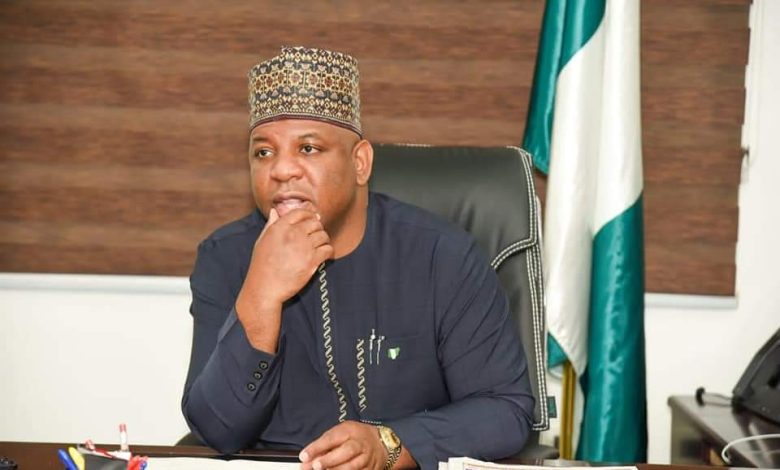
Prince Abubakar Audu is the honorable minister of Steel Development appointed in August 2023 by president Bola Ahmed Tinubu to drive one of Nigeria’s richest industries; steel. The creation of Ministry of Steel Development was the bold move by the Tinubu administration to address the erstwhile tawdry local steel production industry, and the appointment of an indigene of the biggest steel edifice in the country, Ajaokuta Steel to lead the transformation of the industry has gradual gained steam in the past one year since his assumption to office. Highlighting the significance of the steel sector in Nigeria’s economic advancement, the minister had assured that the commitment of the Renewed Hope agenda to drive industrialisation, manufacturing and unlock the country’s vast natural resource potential through the steel industry.
Prince Shuaibu Abubakar is the son of one of the pioneer governors of Nigeria’s democratic sojourn that commenced in 1999, the banker and investment expert took over affairs in the ministry after being appointed by the president and his wealth of experience in the banking sector has gradually began to record significant milestones. His determination to work with critical stakeholders to deliberate on strategies for advancing the steel industry underscored a proactive approach towards achieving sustainable economic growth and development in Nigeria. Through collaborative efforts and strategic interventions, the nation aims to harness the full potential of its steel sector to propel progress and prosperity for all citizens.
BREAKING A 40 YEAR OLD JINX – AJAOKUTA STEEL PROJECT
The Honourable Minister of Steel Development, Prince Shuaibu Abubakar Audu, had engaged a consortium led by the original developers of Ajaokuta Steel Company Limited (ASCL), Tyamzhpromexport (TPE), to revive the steel plant which had been abandoned for over 40 years.
The Minister led the stakeholders in pursuit of achieving the President Bola Ahmed Tinubu’s “Renewed Hope Agenda”, which is keen on ensuring the production of steel in the country and industrialising Nigeria through the Steel Sector before the end of his first term in office.
Prince Shuaibu had galvanized government’s support to provide special intervention funding in the completion of the Obi-Lafia coal project. If this coal project is fully developed, it is capable of reducing the importation of coking coal, one of the major raw materials needed in steel production. For Obi-Lafia coal to be economically minable, In-seam exploration is needed to determine the feasibility of mining this coal resource; bulk sampling for pilot testing and laboratory tests/analysis to ascertain the suitability of the coal for use as feed for Ajaokuta coke ovens.
Currently, the ministry was on the verge of completing our Igbokoda Silica Sand exploration project Block F1 which would be delivered that by the end of the year 2024. The project which held enormous potentials that could become economically beneficial to the country could feed various factories involved in glass making, abrasive, foundry, hydraulic fracturing applications, and several other industrial uses. Having proven substantial commercial reserves can trigger huge investments in local steel making and glass manufacturing. Also other projects targeted at Bauxite exploration on the Mambila Plateau, in Orin-Ekiti, and Oban Massif, as well as Inseam Coal Exploration. The minister has led the heads of agencies and departments working on Manganese in Aiyedayo, Mopa-Moro Local Government Area of Kogi State; as well as in Aking and Utuwang in Cross River state, among other locations.
The Minister of Steel Development, Shuaibu Audu in line with the president’s mandate partnered with the Ministry of Defence to revitalize the steel development industry as both a catalyst for robust economic growth and a doorway to immense opportunities for Nigeria’s massive pool of talented entrepreneurs.
New investments in steel production were set to spur the growth of so many other sectors and industrialisation to be a reality in the country where there was sufficient energy and steel, and Nigerian steel as a pivot to the country’s economy and other economies in the West African region in future years.
The Minister, following the presidential approval to restart the Light Steel Mill (LSM) section of Ajaokuta Steel Complex for the production of iron rods, on the progress made on restarting the section, which will cost N35 billion at the first stage had gotten positive commitments from several financial institutions that had already provided offer letters for this transaction and that the project was expected to create up to 5,000 direct and indirect jobs for Nigerians. A Chinese company, Jindal Steel Group had indicated an interest in investing up to $5 billion in a new steel plant in Nigeria on the sidelines of the G20 meeting in New Delhi, India, in September 2023.
The Minister of Steel Development, Shuaibu Abubakar Audu, had shown concerted efforts by the government to boost the industry through the light section mill of Ajaokuta Steel which was to supply around 400,000 metric tonnes of iron rods to the Ministry of Works for road construction across Nigeria upon completion. He acknowledged that the 30,000 km of roads under construction nationwide would need about 7 million metric tonnes of iron rods over four years, yet confirmed Ajaokuta can supply 400,000 metric tonnes annually to these projects.