



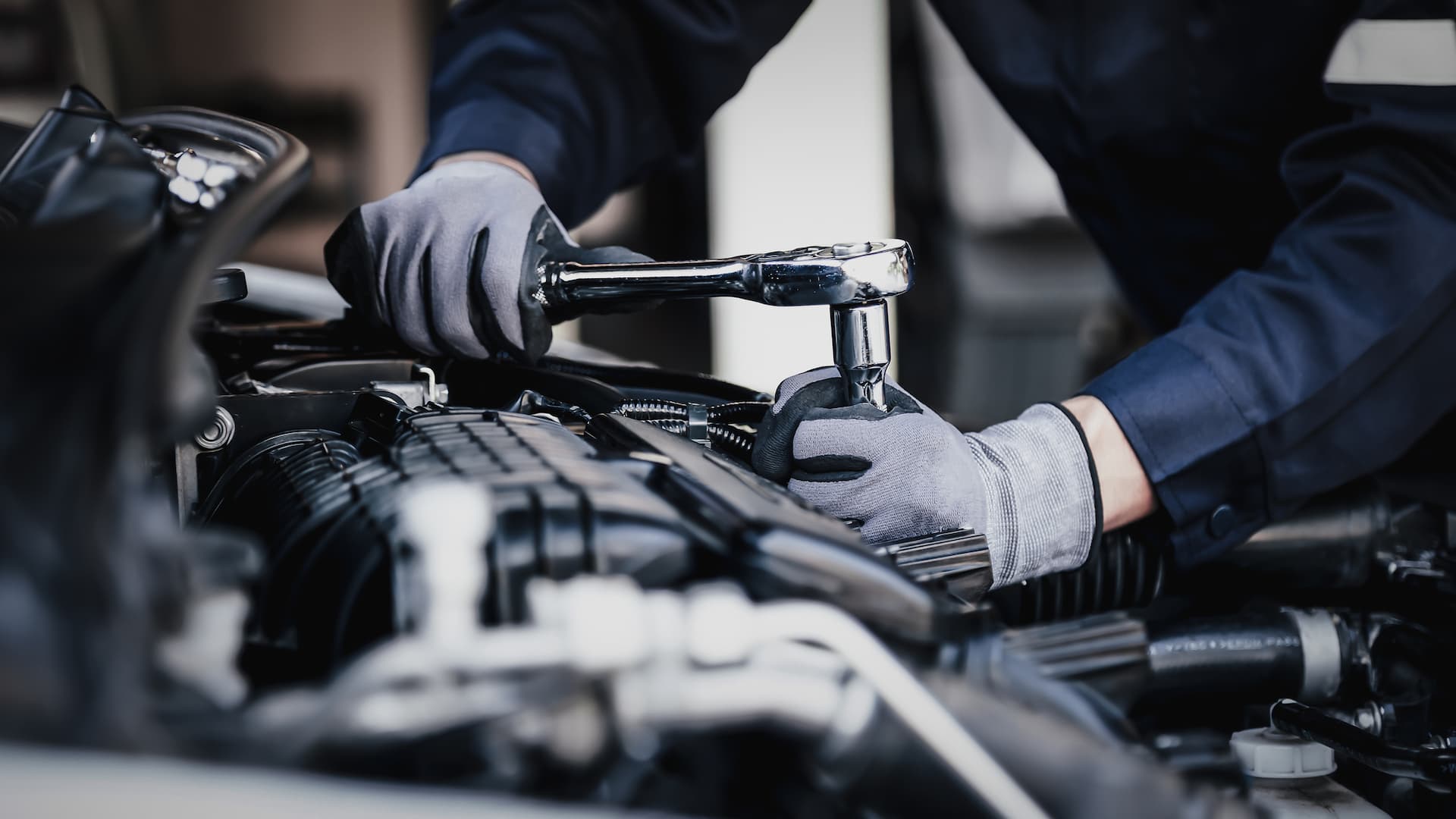
Regular preventive maintenance is probably the single thing you can do as a car owner to keep your ride happy and save money on repairs in the future. However, not everyone agrees on what preventive maintenance is, what you should do, and when you should do it. Let’s clear that up, and give you some tips that’ll apply to any vehicle.
Anyone who’s ever worked on cars or spent a ton of money getting their car repaired will tell you: Don’t ignore preventive maintenance. The basics, like changing your oil, checking your tire pressure, and getting scheduled inspections and work done are like getting regular checkups at the doctor. They keep you healthy and give you—and the experts—a chance to catch anything serious before it becomes a major problem. With your car, that can save you thousands.
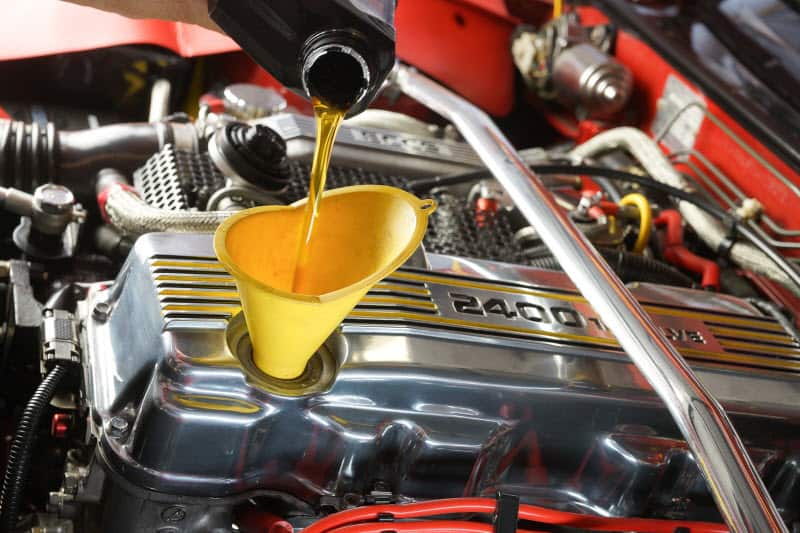
When we covered the ways you can save serious money on car repair, more than a few people pointed out that preventive maintenance is probably one of the biggest ways you can save money—not actively, but in the long term. Spending a little money now on these basics will save you from more costly repairs later on:
Do your own inspection. It’s basic, but give your car a once-over periodically so you catch anything that looks out of the ordinary. Make sure all your lights are working. Check the air pressure in your tires every month or so (and buy a cheap tire air pressure gauge and keep it in the glove compartment). Doing so is good for your tires, gets you better mileage, and saves you money in gas if you discover that the pressure is off. Listen for any strange sounds, inside and out. Make sure your tires have enough tread. You can use a penny to do it, or look out for the wear indicators on the tire treads. If anything’s out of the ordinary, don’t ignore it.
Learn to check your fluids. Even if you don’t ever learn how to change your antifreeze, power steering, coolant, or even your wiper fluid (although seriously, don’t let someone charge you to change wiper fluid), you should learn how to check those fluid levels. In some cases, you can see the tank level directly, but most have gauges or dipsticks you can pull out to check current levels against a notch that indicates optimal levels. Even if your owner’s manual doesn’t have much to say about checking your transmission fluid or antifreeze, don’t be afraid to open the hood and see if you can find it. If you’re running low, add more (if you can) or get it changed. Most importantly, never ignore a leak.
Inspect and get your timing and serpentine belts replaced when necessary. Many people will tell you to get your timing belt replaced every 60,000 miles or so, and your serpentine belt replaced every 40,000 miles, give or take. Again, your owner’s manual will offer real numbers for your type of vehicle. If you can’t find the manual, look around online. You’ll probably find the actual recommendation for your car. Use it as a guideline, and ask your mechanic to inspect the belts when it gets time to replace them mileage-wise. If they’re still in good shape, don’t bother, but if they’re worn out, get Buy one and keep it in the trunk. While you’re at it, consider buying a cheap battery tester or jump starter. You’ll never need to call someone or wait for AAA (or a friendly passer-by) to give you a jump.
Replace your windshield wipers when the view gets streak-y. It may seem silly, but I’ve known several people who just ignored their wipers until they got them replaced as part of a bigger job. Wipers are cheap and easy to replace yourself. Don’t wait until you can barely see through your windshield. Your visibility is important, and you wouldn’t wait until you saw an optometrist to clean your glasses, would you? While you’re at it, give your windshield a good cleaning inside and out—if it’s hard to see, the problem may be inside, not out.
If your spark plugs are worn out or covered in buildup, your engine isn’t working efficiently. That can cost you money in fuel for one, but it can also lead to a breakdown. It may sound daunting, but in some cases checking and replacing them isn’t that difficult. If you don’t feel like doing it yourself (or it’s a big and complicated job for your vehicle), follow your manual’s recommendation and get them changed regularly—for most standard copper spark plugs and vehicles, that’s around 30,000 miles (but again, it varies – some iridium plugs can last up to 100,000 miles).
These are just a few things that every vehicle needs, and almost all of them are things you can do yourself. We can’t stress enough the importance of checking your owner’s manual for anything we may have overlooked here, or anything specific to your vehicle. If you don’t have your manual, you can find it pretty easily online. Delaying preventive maintenance or obvious problems, sounds, or leaks will inevitably lead you to more expensive and time-consuming repairs down the road.